
Blockchain Explained Simply: A Beginner’s Guide to the Technology Changing the World
Ever heard someone say, “Blockchain is the future,” and nodded along while secretly wondering what on earth they were talking about? You’re not alone. Blockchain can sound like one of those overly complicated tech buzzwords tossed around in meetings and YouTube videos. But here’s the thing — it’s actually much simpler than it sounds.
Think of blockchain like a digital notebook shared among thousands of people. Once something is written in that notebook, nobody can secretly erase or change it. Pretty powerful, right?
In this article, we’ll break down blockchain in plain English. No confusing jargon. No computer science degree required. Just a simple, human explanation of how blockchain works and why everyone from banks to gamers is talking about it.
What Is Blockchain?
At its core, blockchain is a digital record-keeping system.
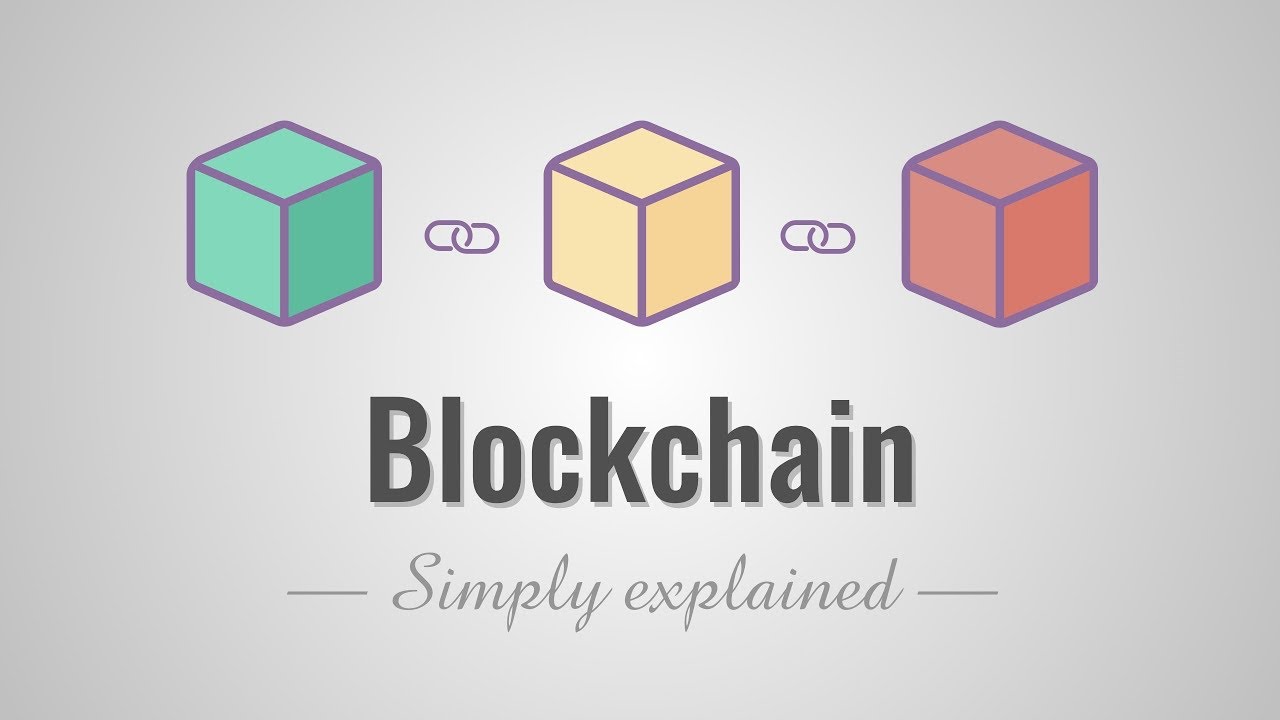
Imagine a chain made of blocks. Each block contains information. When one block fills up with data, it gets connected to the previous block, forming a chain. That’s literally where the name “blockchain” comes from.
These blocks store information like:
- Cryptocurrency transactions
- Contracts
- Ownership records
- Medical data
- Supply chain information
But here’s the magic: once data is added to the blockchain, it becomes extremely difficult to change.
It’s like writing with permanent ink instead of pencil.
Why Was Blockchain Created?
Blockchain was originally created to support Bitcoin, the famous cryptocurrency introduced by Satoshi Nakamoto in 2009.
The goal? Create a system where people could send money directly to each other without needing a bank.
Before blockchain, digital transactions usually needed a middleman:
- Banks
- Payment apps
- Governments
- Financial companies
Blockchain changed that idea completely.
Instead of one central authority controlling everything, blockchain spreads information across many computers worldwide. This makes the system more transparent, secure, and harder to manipulate.
How Does Blockchain Work?
Let’s keep this super simple.
Imagine you and your friends have a shared Google Doc. Every time someone writes something in it, everyone else instantly sees the update.
Blockchain works in a similar way, but with much stronger security.
Here’s the step-by-step process:
1. A Transaction Happens
Someone sends cryptocurrency or records information.
For example:
- Rahul sends 1 Bitcoin to Aman.
2. The Transaction Is Verified
A network of computers checks whether the transaction is legitimate.
These computers are often called “nodes.”
3. The Information Is Stored in a Block
Once verified, the transaction gets packed into a block with other transactions.
4. The Block Is Added to the Chain
The new block connects to older blocks in chronological order.
5. The Transaction Becomes Permanent
Once added, changing the information becomes extremely difficult.
That’s why blockchain is considered secure and trustworthy.
What Makes Blockchain Special?
You might be wondering, “Okay, but why is everyone obsessed with it?”
Good question.
Blockchain has a few features that make it stand out like a neon sign in the dark.
Decentralization
Traditional systems rely on a central authority.
Blockchain doesn’t.
Instead of one bank controlling records, thousands of computers share the same data.
It’s like replacing one school teacher with an entire classroom checking the homework together.
Transparency
Most blockchains are public.
Anyone can see transactions happening in real time.
That doesn’t always mean personal identities are revealed, but the activity itself is visible.
This creates trust because nobody can secretly manipulate records behind closed doors.
Security
Blockchain uses advanced cryptography to secure information.
Every block contains a unique digital fingerprint called a “hash.”
If someone tries to change a block, the hash changes too, alerting the network instantly.
It’s kind of like trying to replace one puzzle piece in a giant puzzle. Everything stops fitting together.
Immutability
This fancy word simply means “cannot easily be changed.”
Once data enters the blockchain, altering it becomes nearly impossible.
That’s why industries love it for storing important records.
What Is Cryptocurrency?
You can’t talk about blockchain without mentioning cryptocurrency.
Cryptocurrency is digital money powered by blockchain technology.
Popular cryptocurrencies include:
- Bitcoin
- Ethereum
- Solana
Unlike traditional currencies controlled by governments, cryptocurrencies operate on decentralized networks.
People use them for:
- Online payments
- Investing
- Trading
- International transfers
But blockchain is much bigger than crypto alone.
That’s where things get interesting.
Real-World Uses of Blockchain
Blockchain isn’t just for tech geeks or crypto traders anymore. Companies worldwide are already using it in fascinating ways.
Banking and Finance
Banks use blockchain to speed up international payments.
Traditional transfers can take days.
Blockchain transactions? Sometimes just minutes.
Healthcare
Medical records stored on blockchain can improve security and reduce fraud.
Patients could safely share records between hospitals without paperwork nightmares.
Supply Chain Tracking
Ever wonder where your food or clothes come from?
Blockchain helps companies track products from factory to customer.
Major companies like Walmart and IBM have explored blockchain for supply chain management.
Gaming
Gamers can now own digital items using blockchain.
Skins, weapons, or characters can become unique digital assets that players truly own.
Smart Contracts
Smart contracts are automatic agreements stored on blockchain.
Think of them like vending machines.
You put money in, and the machine automatically delivers the product — no middleman needed.
Blockchain smart contracts work similarly.
Advantages of Blockchain
Let’s quickly summarize why blockchain has become such a big deal.
Faster Transactions
No banks slowing things down.
Better Security
Data becomes harder to hack or alter.
Lower Costs
Middlemen are reduced or removed completely.
More Transparency
Everyone sees the same information.
Improved Trust
Records can’t easily be manipulated.
Sounds amazing, doesn’t it?
Well… not so fast.
Disadvantages of Blockchain
Like every technology, blockchain isn’t perfect.
Energy Consumption
Some blockchains, especially older ones like Bitcoin, use massive amounts of electricity.
That has sparked environmental concerns worldwide.
Scalability Problems
Blockchain networks can become slow when too many people use them at once.
Imagine traffic jams on a digital highway.
Regulatory Uncertainty
Governments are still figuring out how to regulate blockchain and cryptocurrencies.
Rules change frequently.
Complexity
For beginners, blockchain can still feel intimidating.
Wallets, private keys, gas fees — it’s a lot to absorb initially.
But once you understand the basics, things become much clearer.
Is Blockchain the Future?
Honestly, blockchain feels a bit like the internet in the 1990s.
Back then, many people thought the internet was just a trend.
Now? We can’t live without it.
Blockchain may follow a similar path.
While some hype will fade, the core technology has genuine potential to reshape industries like finance, healthcare, logistics, gaming, and digital ownership.
Companies, governments, and startups continue investing billions into blockchain development.
That usually means something big is brewing.
Blockchain vs Traditional Databases
Let’s make this crystal clear.
| Traditional Database | Blockchain |
|---|---|
| Controlled by one authority | Shared across many computers |
| Data can be edited easily | Data is difficult to change |
| Less transparent | Highly transparent |
| Faster in some cases | More secure and decentralized |
| Centralized | Decentralized |
Think of traditional databases as private diaries.
Blockchain? More like a public bulletin board protected by thousands of locks.
How Can Beginners Learn Blockchain?
Want to dive deeper? Start small.
Here are simple ways to learn:
- Watch beginner YouTube videos
- Read crypto news websites
- Try a crypto wallet
- Learn how Bitcoin works
- Explore blockchain games
- Follow blockchain communities online
The key is consistency.
Nobody becomes a blockchain expert overnight.
Even experienced developers are still learning because the technology evolves rapidly.
Conclusion
Blockchain may sound complicated at first, but its basic idea is surprisingly simple: a secure, shared digital record system that nobody controls entirely and nobody can easily alter.
It’s the engine behind cryptocurrencies like Bitcoin, but its potential stretches far beyond digital money. From banking and healthcare to gaming and supply chains, blockchain is quietly reshaping how information moves across the world.
Will blockchain completely change the future? Maybe. Maybe not. But one thing is clear — it’s no longer just a niche tech concept. It’s becoming part of everyday life, one block at a time.