
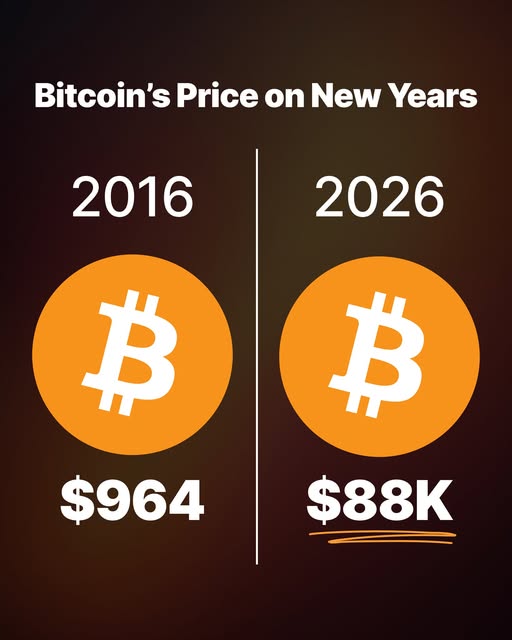
Is Bitcoin Still Worth Buying in 2026?
Bitcoin has been called many things over the years — digital gold, the future of money, a financial revolution, and, of course, a bubble waiting to burst. Yet somehow, despite market crashes, government regulations, and endless criticism, Bitcoin keeps coming back stronger. So here’s the million-dollar question: Is Bitcoin still worth buying in 2026?
Well, the answer isn’t a simple yes or no. Bitcoin in 2026 is no longer the mysterious internet experiment it once was. It has matured, evolved, and become part of mainstream finance. But does that mean the opportunity is gone? Not necessarily.
Let’s break it down.
The Journey of Bitcoin: From Pizza Payments to Global Asset
Back in 2010, someone famously bought two pizzas for 10,000 Bitcoin. Today, that amount would be worth a fortune. Sounds crazy, right? That story perfectly captures Bitcoin’s unbelievable rise.
What started as a decentralized digital currency created by Satoshi Nakamoto has transformed into one of the world’s most talked-about financial assets. Major companies now hold Bitcoin on their balance sheets, investment firms offer Bitcoin ETFs, and governments are paying attention like never before.
Bitcoin is no longer sitting in the shadows. It’s standing under a giant spotlight.
Why People Are Still Buying Bitcoin in 2026
You might think the train has already left the station. After all, Bitcoin has already made countless people rich. But surprisingly, many investors still see huge potential.
Why?
1. Bitcoin Has Limited Supply
Here’s the thing — there will only ever be 21 million Bitcoins. That scarcity is what gives Bitcoin much of its value.
Think of it like digital real estate. If there’s limited land available in a growing city, prices usually rise over time. Bitcoin works in a similar way. As demand increases and supply remains fixed, the price could continue climbing.
Scarcity creates value. Humans have always chased rare assets, whether it’s gold, diamonds, or vintage collectibles.
Bitcoin taps directly into that psychology.
Institutional Investors Are Taking Bitcoin Seriously
A few years ago, big financial institutions laughed at crypto. Fast forward to 2026, and many of them are investing billions.
Major asset managers, hedge funds, and fintech companies now treat Bitcoin as a legitimate asset class. Some investors even compare it to gold because it acts as a hedge against inflation and economic uncertainty.
And let’s be honest — when Wall Street starts paying attention, retail investors usually follow.
The involvement of institutions has also made Bitcoin more stable than before. Sure, it’s still volatile, but the “Wild West” days of crypto are slowly fading.
Bitcoin as Digital Gold
Gold has been a store of value for centuries. Bitcoin is trying to become the internet generation’s version of gold.
Why are people calling it digital gold?
Because Bitcoin is:
- Limited in supply
- Decentralized
- Resistant to inflation
- Easy to transfer globally
- Independent from traditional banks
Imagine carrying millions of dollars across borders. With gold, it’s almost impossible. With Bitcoin? You can move it using nothing but a phone and an internet connection.
That’s powerful.
And in a world where inflation keeps eating away at traditional currencies, Bitcoin’s appeal continues growing.
The Risks of Buying Bitcoin in 2026
Now, let’s not pretend Bitcoin is some magical money-printing machine. Investing in Bitcoin still comes with risks — big ones.
Market Volatility
Bitcoin prices can swing like a roller coaster. One week it’s soaring, the next week it’s crashing 20%.
If you panic easily, Bitcoin might test your patience.
Crypto markets are driven heavily by emotions, news headlines, regulations, and investor sentiment. Prices can move fast, sometimes without warning.
Government Regulations
Governments around the world are still figuring out how to regulate cryptocurrencies. Some countries embrace Bitcoin, while others impose restrictions.
A major regulatory crackdown could temporarily hurt prices and investor confidence.
That uncertainty is something every investor must consider.
Security Concerns
Bitcoin itself is secure thanks to blockchain technology, but exchanges and wallets can still be hacked if users aren’t careful.
Losing access to your wallet is like losing the keys to a vault. Once it’s gone, it’s gone forever.
That’s why security matters more than ever.
Is Bitcoin Too Expensive Now?
This is probably one of the most common questions people ask.
“Did I miss my chance?”
Honestly, people have been asking that question since Bitcoin was worth $100.
The truth is, Bitcoin’s price alone doesn’t tell the whole story. You don’t need to buy an entire Bitcoin. Even a small investment can grow over time if adoption continues increasing.
Think about companies like Apple or Amazon in their early growth years. Many people thought they were “too expensive” back then too.
Sometimes, strong assets keep growing because the technology and demand behind them continue evolving.
Bitcoin vs Altcoins in 2026
Thousands of cryptocurrencies exist today. Some promise faster speeds, lower fees, or smarter technology.
So why do many investors still prefer Bitcoin?
Simple — trust.
Bitcoin has the strongest brand recognition, the largest market dominance, and the highest level of decentralization. It’s the king of crypto.
Altcoins may deliver higher short-term gains, but they also carry much higher risks. Many disappear within a few years.
Bitcoin, meanwhile, has survived multiple crashes and still remains at the center of the crypto market.
It’s like comparing a startup company to an established global brand.
Who Should Consider Buying Bitcoin?
Bitcoin isn’t for everyone.
But it may make sense if you:
- Believe in long-term crypto adoption
- Can handle price volatility
- Want portfolio diversification
- Have a long investment horizon
- Understand the risks involved
On the other hand, if you need guaranteed returns or quick profits, Bitcoin could disappoint you.
Patience matters in crypto investing. The people who usually succeed are the ones who think long term rather than chasing overnight riches.
Smart Strategies for Buying Bitcoin in 2026
If you decide to invest, jumping in blindly isn’t the best idea.
Here are some smarter approaches:
Dollar-Cost Averaging (DCA)
Instead of investing all your money at once, many investors buy small amounts regularly.
This strategy helps reduce the impact of market volatility.
It’s kind of like slowly filling a bucket during rainfall rather than trying to catch the entire storm in one shot.
Only Invest What You Can Afford to Lose
Crypto markets are unpredictable. Never invest money you can’t afford to lose.
That rule alone can save people from major financial stress.
Use Secure Wallets
Keeping Bitcoin on exchanges for long periods can be risky. Hardware wallets and secure storage methods provide better protection.
Security should never be an afterthought.
What Could Drive Bitcoin Higher in the Future?
Several factors could continue pushing Bitcoin upward in 2026 and beyond:
- Increasing institutional adoption
- Global inflation concerns
- More countries accepting crypto
- Growth of blockchain technology
- Limited Bitcoin supply
- Rising demand from younger investors
The world is becoming more digital every year. Bitcoin fits naturally into that transformation.
Will it replace traditional money entirely? Probably not anytime soon.
But could it become a major global asset? Many investors already believe it has.
Final Verdict: Is Bitcoin Still Worth Buying in 2026?
So, is Bitcoin still worth buying in 2026?
For many investors, the answer is yes — but with caution.
Bitcoin is no longer just a speculative experiment. It has evolved into a globally recognized digital asset with growing institutional support and long-term potential. However, it still carries risks, volatility, and uncertainty.
Buying Bitcoin today is a bit like planting a tree. You may not see massive results overnight, but with time, patience, and proper strategy, it could grow into something valuable.
The key is balance. Don’t treat Bitcoin like a guaranteed lottery ticket. Treat it like a high-risk, high-potential investment within a diversified portfolio.
In the end, the future of Bitcoin depends on adoption, technology, regulation, and trust. And judging by the momentum it still carries in 2026, the Bitcoin story may be far from over.