
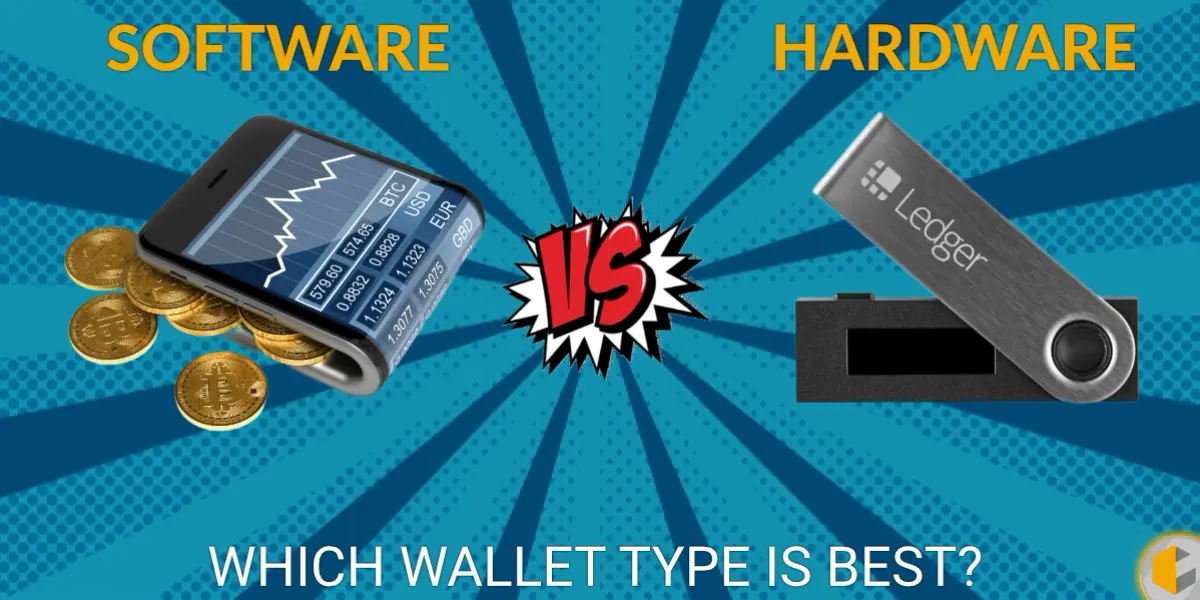
Hardware vs Software Wallet: Which Crypto Wallet Is Better for You?
Cryptocurrency is exciting, isn’t it? One moment you’re buying your first Bitcoin, and the next, you’re diving into the world of blockchain like a digital treasure hunter. But here’s the thing many beginners ignore — where do you actually store your crypto safely?
That’s where crypto wallets come in.
If you’ve spent even five minutes in the crypto world, you’ve probably heard people arguing about hardware wallets vs software wallets. Some swear by hardware wallets like they’re Fort Knox. Others love software wallets because they’re fast and convenient.
So, which one is better?
Well, it depends on what kind of crypto user you are. Let’s break it down in simple English without the confusing tech jargon.
What Is a Crypto Wallet?
Before comparing them, let’s clear up one common misunderstanding.
A crypto wallet doesn’t actually “store” your cryptocurrency. Your coins live on the blockchain. The wallet simply stores your private keys, which act like passwords that give you access to your crypto.
Think of it like this:
- The blockchain is the internet
- Your crypto is your online bank account
- Your wallet is the key to access it
Lose the key, and you could lose access to your funds forever.
Scary? A little.
That’s why choosing the right wallet matters so much.
What Is a Hardware Wallet?
A hardware wallet is a physical device designed to store your private keys offline.
It usually looks like a USB stick or small gadget. Popular examples include devices from companies like Ledger and Trezor.
Because the wallet stays offline most of the time, hackers have a much harder time reaching it.
How Hardware Wallets Work
When you want to send crypto:
- You connect the device to your computer or phone
- Approve the transaction physically
- The wallet signs the transaction offline
Your private keys never leave the device.
That’s the magic.
Advantages of Hardware Wallets
Maximum Security
This is the biggest reason people buy hardware wallets.
Since they stay offline, they’re protected from:
- Malware
- Keyloggers
- Phishing attacks
- Remote hackers
It’s like keeping your gold in a locked underground vault instead of your bedroom drawer.
Better for Long-Term Holding
Planning to hold Bitcoin or Ethereum for years?
A hardware wallet is ideal for “HODLing.” You can store large amounts of crypto with peace of mind.
Protection Against Exchange Failures
Remember what happened to some crypto exchanges over the years? When exchanges collapse, users often lose access to funds.
With a hardware wallet, you control your own keys.
And in crypto, there’s a famous saying:
“Not your keys, not your coins.”
Disadvantages of Hardware Wallets
They Cost Money
Unlike software wallets, hardware wallets aren’t free.
Most quality devices range between $50 and $200.
For beginners with only a small amount of crypto, that might feel unnecessary.
Less Convenient
Need quick access to your crypto every day?
Hardware wallets can feel slow because you need the physical device every time you make a transaction.
It’s secure, yes — but not always convenient.
Risk of Losing the Device
Lose the wallet and recovery phrase?
Game over.
That’s why backup recovery phrases are incredibly important.
What Is a Software Wallet?
A software wallet is a digital application that stores your private keys online or on your device.
These wallets come as:
- Mobile apps
- Desktop applications
- Browser extensions
- Web wallets
Popular examples include MetaMask, Trust Wallet, and Exodus.
They’re basically the everyday backpacks of the crypto world — easy to carry and easy to access.
Advantages of Software Wallets
Easy to Use
Software wallets are beginner-friendly.
You can install one in minutes and start trading crypto almost instantly.
No cables. No extra devices. No complicated setup.
Convenient for Daily Transactions
If you regularly:
- Trade crypto
- Buy NFTs
- Use DeFi apps
- Stake tokens
Then software wallets are incredibly practical.
They’re always ready to go.
Usually Free
Most software wallets cost absolutely nothing.
That makes them perfect for newcomers testing the crypto waters.
Disadvantages of Software Wallets
More Vulnerable to Hacks
Because they’re connected to the internet, software wallets face more security risks.
Hackers love targeting:
- Fake wallet apps
- Browser malware
- Phishing websites
- Scam links
One careless click can become a nightmare.
Device Security Matters
If your phone or computer gets infected, your wallet could be compromised too.
That’s why cybersecurity becomes your responsibility.
Human Error Is Common
People often:
- Forget recovery phrases
- Store passwords carelessly
- Download fake wallet apps
Unfortunately, crypto mistakes are usually irreversible.
There’s no “Forgot Password” button on the blockchain.
Hardware Wallet vs Software Wallet: Key Differences
Security
Hardware wallets win this round easily.
Offline storage creates an extra layer of protection that software wallets simply can’t match.
Convenience
Software wallets are much faster and easier for everyday use.
They’re ideal for active crypto users.
Cost
Software wallets are mostly free, while hardware wallets require an upfront investment.
Best Use Case
- Hardware wallets → Long-term storage
- Software wallets → Daily transactions
Simple as that.
Which Wallet Is Better for Beginners?
Honestly? Many beginners start with software wallets because they’re easy and free.
And that’s perfectly fine.
But once your crypto portfolio starts growing, upgrading to a hardware wallet becomes a smart move.
Think of it this way:
You wouldn’t keep life savings in your pocket forever, right?
The more valuable your crypto becomes, the more security matters.
Can You Use Both Wallets Together?
Absolutely — and that’s actually the smartest strategy.
Many experienced crypto investors use:
- A software wallet for daily spending
- A hardware wallet for long-term storage
It’s similar to having:
- A checking account for everyday purchases
- A savings account for protecting wealth
You get convenience and security at the same time.
Tips for Keeping Any Crypto Wallet Safe
No matter which wallet you choose, follow these safety tips:
Never Share Your Recovery Phrase
Ever.
Not with friends, customer support, or random Telegram users.
Enable Two-Factor Authentication
Extra security layers can save you from disaster.
Download Wallets From Official Sources
Fake wallet apps are everywhere.
Always use official websites or trusted app stores.
Keep Software Updated
Updates often fix security vulnerabilities.
Ignoring them is like leaving your front door unlocked.
Avoid Public Wi-Fi
Public networks can expose sensitive information.
Use secure internet whenever possible.
The Future of Crypto Wallets
Crypto wallets are evolving rapidly.
Modern wallets now offer:
- Biometric security
- Multi-chain support
- NFT integration
- DeFi access
- Built-in staking
Some newer wallets are even blending hardware and software features together.
The line between convenience and security is slowly becoming thinner.
And honestly, that’s great news for crypto users.
Conclusion
So, hardware wallet or software wallet — which should you choose?
If security is your top priority and you hold large amounts of crypto, a hardware wallet is the safer option.
If you want speed, convenience, and easy access for daily crypto activity, a software wallet makes more sense.
But the real winner?
Using both together.
A software wallet gives you flexibility, while a hardware wallet acts like your personal crypto vault. One is your wallet in the pocket. The other is your safe at home.
In the fast-moving world of cryptocurrency, balancing convenience and security is the smartest move you can make.