
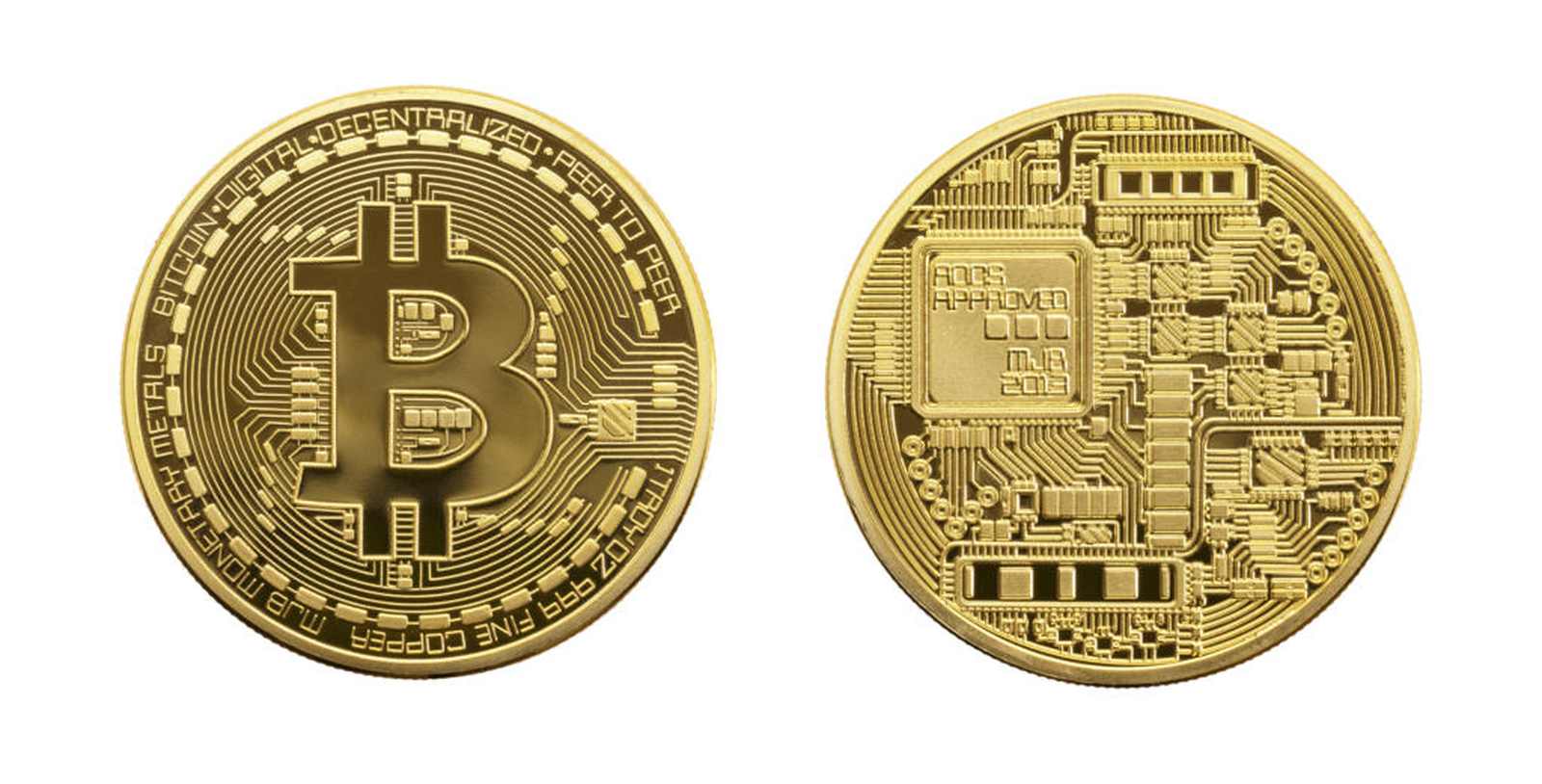
What Is Bitcoin? A Beginner-Friendly Guide to the World’s First Cryptocurrency
Ever heard someone say, “I wish I bought Bitcoin years ago”? You’re not alone. Over the last decade, Bitcoin has gone from an obscure internet experiment to one of the most talked-about financial assets on the planet. Some people call it “digital gold.” Others think it’s the future of money. And a few still scratch their heads wondering, “What exactly is Bitcoin anyway?”
If you’re curious but confused, don’t worry. Bitcoin can sound complicated at first, but once you break it down, it’s surprisingly simple. Think of it like learning how the internet worked in the 1990s—new, exciting, and a little mysterious.
Let’s dive in.
What Is Bitcoin?
Bitcoin is a digital currency that allows people to send and receive money over the internet without needing a bank or middleman.
It was created in 2009 by an anonymous person—or group—using the name Satoshi Nakamoto. Nobody truly knows who Satoshi is, and honestly, that mystery is part of Bitcoin’s legend.
Unlike traditional money like dollars, euros, or rupees, Bitcoin exists only online. There are no physical Bitcoin coins or paper notes. Everything is stored digitally.
But here’s the real twist: Bitcoin is decentralized.
That means no government, bank, or company controls it.
Imagine a football match with no referee, yet the rules are still followed perfectly because everyone can see the game clearly. That’s basically how Bitcoin works.
How Does Bitcoin Work?
Bitcoin runs on a technology called blockchain.
Sounds fancy, right? But let’s simplify it.
The Blockchain Explained
Think of the blockchain as a giant digital notebook shared across thousands of computers worldwide.
Every time someone sends or receives Bitcoin, the transaction gets recorded in this notebook. Once written, it can’t easily be changed or erased.
That’s what makes Bitcoin secure and trustworthy.
Here’s the simple process:
- Someone sends Bitcoin.
- The transaction gets verified by computers.
- The transaction is added to the blockchain.
- The Bitcoin reaches the recipient.
Pretty neat, isn’t it?
Why Was Bitcoin Created?
Bitcoin was born during the 2008 global financial crisis. Trust in banks was falling apart, and people were frustrated with centralized financial systems.
The goal behind Bitcoin was simple:
- Give people control over their money
- Remove middlemen
- Allow fast global transactions
- Create a currency that isn’t controlled by governments
In many ways, Bitcoin was designed as a rebellion against traditional finance.
It’s like creating an open highway where anyone can drive, instead of paying toll booths every few miles.
What Makes Bitcoin Valuable?
This is the million-dollar question—or should we say, the multi-billion-dollar question.
Why does Bitcoin have value if it’s just digital?
Well, value often comes from scarcity, trust, and demand.
Bitcoin has all three.
1. Limited Supply
Only 21 million Bitcoins will ever exist.
That’s it.
No one can print more like governments print paper money. This limited supply makes Bitcoin rare, similar to gold.
2. People Trust the System
Bitcoin transactions are transparent and secure thanks to blockchain technology.
The system works without needing a central authority.
3. Growing Demand
As more people, companies, and investors adopt Bitcoin, demand increases.
And when demand rises while supply stays limited? Prices usually go up.
Simple economics.
What Is Bitcoin Mining?
Bitcoin mining is the process of verifying transactions and adding them to the blockchain.
But don’t imagine miners with helmets and pickaxes.
Bitcoin miners use powerful computers to solve complex mathematical problems. When they solve these problems, they earn Bitcoin as a reward.
It’s like a giant worldwide puzzle competition where winners get paid in cryptocurrency.
Mining also helps keep the network secure and decentralized.
However, mining requires huge amounts of electricity and computing power, which has sparked environmental debates in recent years.
How Do People Use Bitcoin?
Bitcoin isn’t just for investors hoping to get rich overnight.
People use it in several ways.
Online Payments
Some businesses accept Bitcoin as payment for products and services.
Investment
Many people buy Bitcoin hoping its value will increase over time.
International Transfers
Bitcoin allows people to send money globally without relying on banks or expensive transfer services.
Store of Value
Some investors treat Bitcoin like digital gold—a long-term asset to protect against inflation.
Is Bitcoin Safe?
Bitcoin itself is extremely secure because of blockchain technology.
But that doesn’t mean using Bitcoin is risk-free.
Here are some common risks:
- Scams and fake investment schemes
- Hacking of crypto exchanges
- Losing access to digital wallets
- Extreme price volatility
Bitcoin prices can swing wildly. One day it’s soaring like a rocket. The next day it feels like the rocket lost its engine.
That volatility is one reason experts recommend caution.
What Is a Bitcoin Wallet?
A Bitcoin wallet is a digital tool used to store, send, and receive Bitcoin.
Think of it like your online banking app—but for cryptocurrency.
There are different types of wallets:
Hot Wallets
These are connected to the internet and are convenient for quick access.
Cold Wallets
These are offline wallets, often considered safer because hackers can’t easily access them.
Your wallet includes private keys, which act like secret passwords. Lose those keys, and you could lose access to your Bitcoin forever.
No pressure, right?
Advantages of Bitcoin
Bitcoin has several benefits that attract millions of users worldwide.
Decentralization
No single authority controls Bitcoin.
Fast Global Transactions
You can send Bitcoin across countries within minutes.
Limited Supply
Its scarcity makes it attractive to investors.
Transparency
Every transaction is recorded publicly on the blockchain.
Accessibility
Anyone with internet access can use Bitcoin.
For people in countries with unstable banking systems, Bitcoin can feel like a financial lifeboat in stormy waters.
Disadvantages of Bitcoin
Of course, Bitcoin isn’t perfect.
Price Volatility
Bitcoin prices can rise or crash dramatically.
Regulatory Uncertainty
Governments around the world still debate how to regulate cryptocurrency.
Environmental Concerns
Bitcoin mining consumes a lot of electricity.
Security Risks
Users must protect their wallets carefully.
Limited Adoption
While Bitcoin is growing, it’s still not accepted everywhere.
Like any new technology, Bitcoin comes with both opportunity and risk.
Is Bitcoin Legal?
Bitcoin is legal in many countries, but regulations vary widely.
Some governments embrace it. Others restrict or ban it.
Because cryptocurrency laws constantly evolve, users should always check local regulations before investing or trading.
The Future of Bitcoin
So, what’s next for Bitcoin?
Nobody knows for sure.
Some believe Bitcoin could become a mainstream global currency. Others see it mainly as a long-term investment asset. Critics argue it’s too volatile to replace traditional money.
But one thing is clear: Bitcoin has already changed the financial world forever.
Banks, governments, and tech companies can no longer ignore cryptocurrency.
Bitcoin opened the door to an entirely new digital economy.
Conclusion
Bitcoin is more than just internet money. It’s a revolutionary idea that challenges how we think about finance, ownership, and trust.
At its core, Bitcoin allows people to send and receive money without relying on banks or governments. Powered by blockchain technology, it offers transparency, decentralization, and global accessibility.
Sure, it has risks. Prices fluctuate, scams exist, and regulations remain uncertain. But despite the challenges, Bitcoin continues to attract investors, businesses, and everyday users around the world.
Whether Bitcoin becomes the future of money or simply remains a powerful digital asset, one thing is certain—it’s no longer just a niche internet experiment. It’s a financial force that changed the conversation forever.