
What Is Web3? A Beginner-Friendly Guide to the Future of the Internet
The internet has changed the world more times than we can count. First came simple websites. Then social media exploded, and suddenly everyone became a creator, influencer, or online entrepreneur. But now there’s a new buzzword floating around the digital world — Web3.
So, what exactly is Web3? Is it just another tech trend? Or is it truly the next evolution of the internet?
If you’ve ever scratched your head after hearing terms like blockchain, crypto, NFTs, or decentralized apps, don’t worry. You’re not alone. Web3 can sound complicated at first, but once you break it down, it’s actually pretty fascinating.
Let’s dive in.
Understanding the Evolution of the Internet
Before we understand Web3, we need to take a quick trip through internet history.
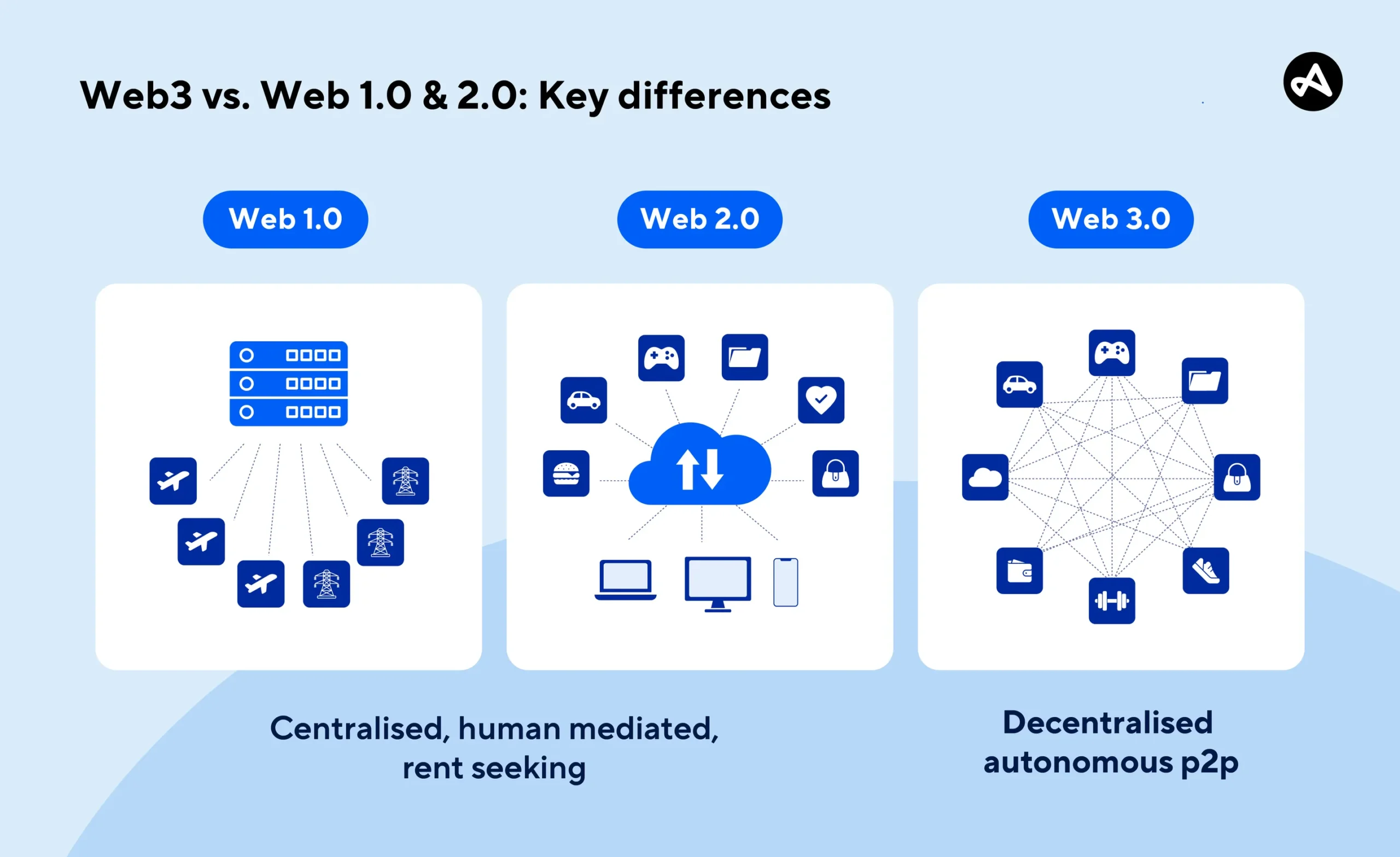
Web1: The Read-Only Internet
Back in the 1990s and early 2000s, the internet was pretty basic. Websites were mostly static pages where people could read information but couldn’t interact much.
Think of it like a digital newspaper.
You visited websites, consumed content, and left. There were no likes, comments, or social feeds.
That era is called Web1.
Web2: The Social Internet
Then came Web2 — the internet we use today.
Suddenly, platforms like Facebook, YouTube, Instagram, and Twitter changed everything. Users could now create content, connect with others, and build online communities.
Sounds amazing, right?
Well, yes… but there’s a catch.
Big tech companies now control most of the internet. They own the platforms, collect user data, decide what content gets visibility, and profit massively from user activity.
In simple terms, Web2 made the internet interactive — but centralized.
What Is Web3?
Web3 is often described as the decentralized version of the internet.
Instead of giant corporations controlling everything, Web3 aims to give ownership and power back to users.
At its core, Web3 uses technologies like blockchain, cryptocurrencies, and smart contracts to create a more open and user-controlled digital world.
Imagine the internet as a giant city.
In Web2, a few massive landlords own all the buildings, roads, and shopping centers. You can use them, but you don’t really own anything there.
In Web3, users collectively own pieces of the city. The power is spread out instead of concentrated in a few hands.
That’s the big idea behind Web3.
How Does Web3 Work?
Web3 runs on decentralized technologies, mainly blockchain networks.
A blockchain is basically a digital ledger that records transactions securely and transparently across many computers. No single company or authority controls it.
Here’s what makes Web3 different:
Decentralization
Instead of storing data on one company’s server, Web3 spreads information across many computers worldwide.
This reduces censorship, increases transparency, and makes systems harder to shut down.
Blockchain Technology
Blockchain acts like the backbone of Web3.
Every transaction or action gets recorded permanently. Once information is added, it’s extremely difficult to alter or delete.
Popular blockchain networks include:
- Bitcoin
- Ethereum
- Solana
- Polygon
Each network supports different types of Web3 applications.
Smart Contracts
Smart contracts are automated digital agreements stored on a blockchain.
Think of them like vending machines.
You insert money, press a button, and the machine automatically delivers your snack. No cashier needed.
Similarly, smart contracts execute actions automatically when certain conditions are met.
That’s how decentralized apps and crypto systems work without middlemen.
Key Features of Web3
Web3 introduces several exciting concepts that are changing how people interact online.
Ownership of Digital Assets
In Web2, your content technically lives on someone else’s platform.
In Web3, users can truly own digital assets using blockchain technology.
This includes:
- Cryptocurrencies
- NFTs
- Virtual land
- Digital collectibles
- Blockchain-based identities
Ownership becomes portable and verifiable.
Privacy and Control
Ever noticed how ads seem to follow you everywhere online?
That’s because Web2 platforms collect massive amounts of personal data.
Web3 aims to reduce that by giving users more control over their information and digital identity.
Instead of signing in through centralized platforms, users can access services using crypto wallets.
Permissionless Access
One of Web3’s biggest promises is openness.
You don’t need approval from banks, governments, or giant tech companies to participate in many Web3 platforms.
Anyone with an internet connection and a crypto wallet can join.
That’s a huge shift.
Real-World Examples of Web3
Web3 isn’t just theory anymore. It’s already being used in many industries.
Cryptocurrency
Cryptocurrencies are the most famous example of Web3.
Coins like Bitcoin and Ethereum allow users to send money directly without traditional banks.
It’s like digital cash for the internet age.
NFTs
NFTs, or non-fungible tokens, became incredibly popular for digital art and collectibles.
Artists can sell their work directly to buyers while proving ownership through blockchain records.
Some people see NFTs as revolutionary. Others think they’re overhyped. Either way, they introduced millions to Web3.
Decentralized Finance (DeFi)
DeFi platforms offer financial services without traditional banks.
Users can:
- Lend money
- Borrow assets
- Earn interest
- Trade cryptocurrencies
All through blockchain-based applications.
It’s basically banking without bankers.
Blockchain Gaming
Games are also entering the Web3 world.
Players can own in-game items, trade digital assets, and even earn cryptocurrency while playing.
Unlike traditional games, your items may actually belong to you instead of the gaming company.
That’s a game-changer — literally.
Benefits of Web3
Why are people so excited about Web3?
Here are some major advantages.
More User Ownership
Web3 gives users greater control over their content, assets, and online identity.
Creators can monetize directly without relying heavily on platforms taking large cuts.
Increased Transparency
Blockchain transactions are public and traceable.
This creates transparency and reduces the need for blind trust.
Reduced Dependence on Middlemen
Web3 removes many intermediaries.
Payments, contracts, and digital ownership can happen directly between users.
That often means lower fees and faster transactions.
Challenges and Criticism of Web3
Of course, Web3 isn’t perfect.
Like any emerging technology, it comes with problems.
Complexity
Let’s be honest — Web3 can feel confusing.
Wallets, private keys, gas fees, and blockchain jargon create a steep learning curve for beginners.
Scams and Security Risks
The crypto world has seen plenty of scams, hacks, and fake projects.
Because transactions are decentralized, recovering stolen funds can be difficult.
Users must stay cautious.
Scalability Issues
Some blockchain networks struggle with slow transaction speeds and high fees during heavy usage.
Developers are actively working on solutions, but the technology is still evolving.
Environmental Concerns
Certain blockchain systems consume large amounts of energy.
This has sparked criticism about Web3’s environmental impact, although newer technologies are becoming more energy-efficient.
Is Web3 the Future of the Internet?
That’s the million-dollar question.
Some experts believe Web3 could completely reshape finance, gaming, social media, and online ownership. Others argue it’s still too early and overly hyped.
The truth probably lies somewhere in the middle.
Web3 is unlikely to replace the current internet overnight. Instead, it may slowly blend into our digital lives over time.
Think about smartphones. At first, they seemed like luxury gadgets. Now they’re part of everyday life.
Web3 could follow a similar path.
Conclusion
Web3 represents a bold vision for a more decentralized, transparent, and user-controlled internet. Instead of a handful of tech giants owning the digital world, Web3 aims to distribute power back to users through blockchain technology and decentralized systems.
Will it completely transform the internet? Nobody knows for sure yet. But one thing is certain — Web3 has already sparked a major conversation about ownership, privacy, and the future of online interaction.
And honestly? We’re probably just getting started.